
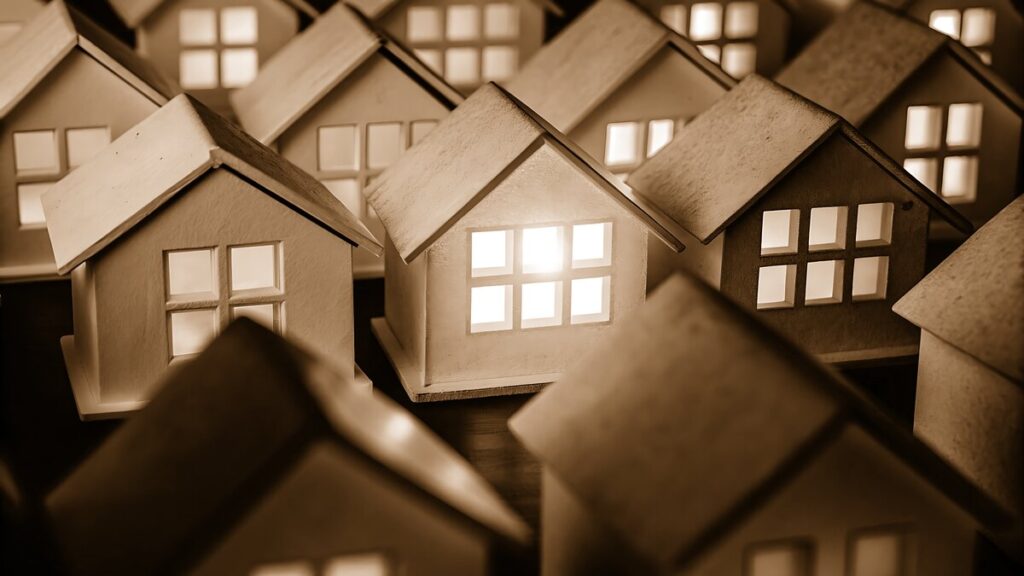
White Hall is one of those rare neighborhoods that seems to sit quietly apart from the hustle and bustle of modern Killeen, yet its imprint on the city’s tapestry is unmistakable. From its earliest days as a rural outpost to the welcoming, neighborly enclave it is today, White Hall has witnessed decades of change while nurturing a unique identity rooted in history, community, and resilience.
Roots on Rustic Soil: The Origins of White Hall
White Hall’s origins reach back to the late 1800s, when Killeen was just beginning to take shape around the Gulf, Colorado and Santa Fe Railway tracks. Much like the rest of western Bell County, the area that would become White Hall was a patchwork of farmsteads and open pastures. Early settlers found the rolling land ideal for agriculture and homesteading. What started as scattered family plots eventually blossomed into a tight-knit settlement.
The neighborhood’s name, “White Hall,” likely traces its roots to an early community building — a simple, whitewashed hall that served as a gathering place for church, school, and social events. Local oral histories recall dances, Sunday picnics, and community meetings held in this eponymous hall, which stood proudly near what is today known as White Hall Road. Although the original structure has long since vanished, the name endures.
Landmarks and Milestones: Anchoring Community Life
White Hall’s historic heart lies along White Hall Road, which has anchored the neighborhood since wagon wheels first rolled across its gravel. This thoroughfare, now shaded by mature oaks and pecans, connects White Hall not only to Killeen proper but also to a legacy of resilience and rural hospitality.
Some of White Hall’s most notable historic sites include:
- White Hall Cemetery: Resting beside White Hall Road, this peaceful cemetery is the final resting place of many of the neighborhood’s founding families. Its headstones trace the lineage of the area’s early settlers and tell silent stories of endurance.
- Old White Hall School: While the original schoolhouse no longer stands, its spirit lingers on in community memories. Before Killeen’s school system expanded, children walked or rode horseback to this one-room school.
- White Hall Baptist Church: Founded in the early 20th century, this church quickly became a cornerstone of the community. Its white steeple and humble frame remain a familiar sight for locals and visitors passing along White Hall Road.
- Historic crossroads at FM 2670 and White Hall Road: Once a hub for farmers and travelers, the intersection was home to early general stores and was a focal point for local commerce.
Decades of Evolution: White Hall Through the Years
Throughout the 20th century, White Hall weathered many changes. When Fort Hood was established in the 1940s, the influx of military families brought diversity and growth to nearby Killeen. While White Hall maintained its rural character, its proximity to the city paved the way for gradual suburban development.
In the postwar years, you could see transformation taking root along streets like Westcliffe Drive, Shady Loop, and of course, the ever-present White Hall Road. Simple country homes gave way to brick ranch-style houses. Garden plots and pecan orchards dotted front yards, while children chased after ice cream trucks and neighbors gathered for evening chats on porch swings.
Despite changes in architecture and daily life, White Hall’s commitment to community endured. The neighborhood established annual traditions, like the White Hall Spring Picnic and holiday festivals at local churches and halls. Even as Killeen grew into a bustling city, White Hall held fast to the quiet rhythms of small-town living.
Modern White Hall: Preserving Heritage, Welcoming Change
Today, White Hall represents a bridge between past and present. Craftsman homes with deep porches stand side-by-side with renovated ranch houses and new builds. The neighborhood is prized for its wide lots, mature trees, and a spirit of neighborliness you can feel as soon as you enter.
Local institutions continue to anchor the community. The White Hall Volunteer Fire Department, for example, is a testament to the neighborhood’s tradition of service and mutual support. Community spaces like neighborhood parks and church fellowship halls host gatherings that strengthen bonds across generations.
While large-scale development has bypassed White Hall in favor of Killeen’s busier corridors, residents know that’s a big part of its charm. On any given weekend, you might see families barbecuing in backyards, friends fishing in nearby Stillhouse Hollow Lake, or neighbors pitching in for a community clean-up along Old FM 2670.
Why White Hall Endures: The Spirit of Home
Ask any longtime White Hall resident what makes the neighborhood special, and you’ll likely hear stories about more than just the pretty views or peaceful streets. People here look out for one another. They honor their history, yet welcome newcomers with open arms. The echoes of the old white hall building — laughter, music, prayers, and heartfelt conversation — still resonate in every community gathering, every neighborly wave, and every memory passed from one generation to the next.
White Hall stands as a reminder of Killeen’s agricultural roots, its pioneer resilience, and the quiet power of community ties. Whether you’re drawn by the area’s storied past or seeking a place where traditions run deep and neighbors feel like family, White Hall invites you to become part of its ongoing story — a true cornerstone of central Texas heritage.